
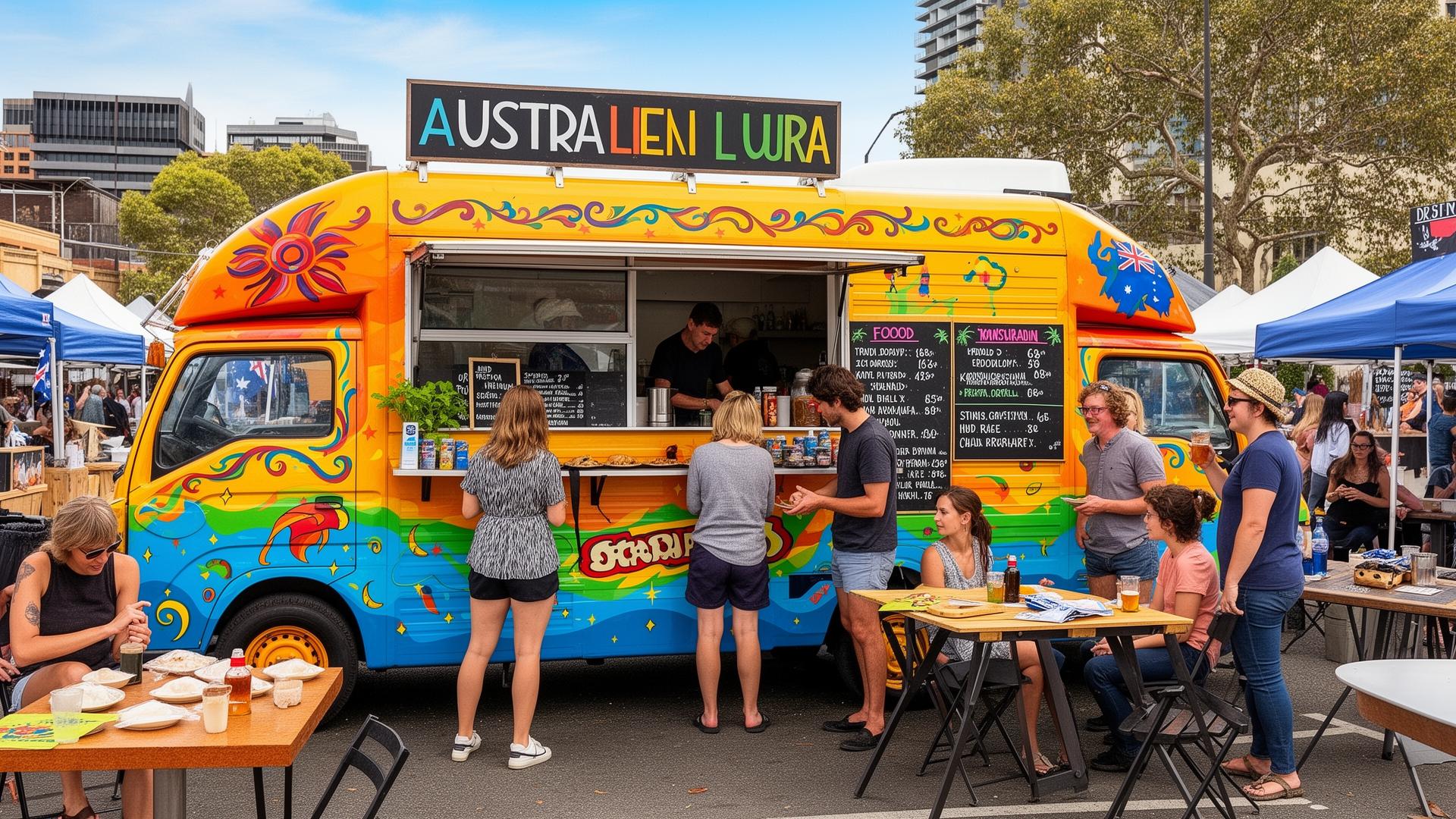
In-Depth Guide
Marketing for Food Trucks in Australia: A Practical Playbook
Event organisers book trucks they can verify quickly. Marketing for Australian food trucks via a suburb-exclusive Trade Page that runs alongside your route.
Why Marketing for Food Trucks Is Different
Food trucks live on three revenue streams: street and market trade, private events and festivals. Each requires different marketing. Street trade lives on Instagram and a clear route schedule, private events live on a strong booking page, and festivals live on direct event-organiser relationships.
Marketing has to be visual and time-aware. Customers want to know where the truck will be tonight, what is on the menu and whether there is a queue. Operators who post location, menu and a single photo every shift typically out-perform those with prettier branding but no rhythm.
The rest of this guide walks through the channels that consistently work for Australian food trucks, with realistic costs and a checklist designed to grow private-event and festival bookings on top of street trade.
The Channels That Actually Convert for Food Trucks
Not every channel suits every business. This is how the practical options stack up for Australian food trucks.
| Channel | Best for | Effort | Payoff | Notes |
|---|---|---|---|---|
| Google Business Profile | Every food truck venue | Low | Very high | Photos, menu and recent reviews drive most discovery |
| Instagram and visual content | Venues with strong food, fit-out or event content | Medium | High | One quality post a week beats daily volume |
| Local SEO (suburb + cuisine pages) | Established venues with a defined catchment | Medium | Steady | Suburb and cuisine pages support 'near me' search |
| Google Ads (Search) | Function, catering and special-event enquiries | Medium | Fast | Defend your venue name against booking-platform poaching |
| Reviews and ratings (Google, TripAdvisor, OpenTable) | Every venue | Low | Very high | Recency, rating and reply tone all matter |
| Suburb-exclusive Food Truck Advertising | Venues wanting predictable enquiry flow | Low | Steady | One venue per category per suburb, just your business in your suburb |
Indicative guidance only. Effort and payoff vary by service mix, season and how the channel is run.
Local SEO Checklist for Food Trucks
Local search is where most food trucks discovery starts. Work through this checklist with your web team or do it yourself in an afternoon.
- Consistent business name, address and phone (NAP) across your website, Google Business Profile and the major directories your customers actually use
- Photos of finished work, your team and your premises uploaded regularly to Google Business Profile
- Honest, plain-English service descriptions that answer the questions a typical customer asks before booking
- Page speed under three seconds on a mid-range mobile, with a click-to-call button and quote form above the fold
- Regular content updates and posts that signal an active, current business
- A steady cadence of recent reviews, with replies that thank the customer and reference the service in general terms
- Opening hours, payment options and service-area information kept current everywhere your business is listed
Reviews and Trust Engine
Most food truck customers shortlist two or three venues in the moment, often standing on the footpath with a phone. The deciding factor is rarely price; it is the recency of the photos, the rating and the tone of the most recent ten reviews.
Build a simple post-visit request flow: a friendly card on the table or a QR code on the receipt asking guests to share their experience on Google. Reply to every review within a few business days. Mention the dish, the event or the suburb in the reply text where it reads naturally.
Treat negative reviews as a chance to demonstrate hospitality. A warm, specific reply that acknowledges the issue and offers to make it right reads better to future diners than the original complaint.
Cadence
Three to five new reviews per month, every month
Locality
Reply text that names the suburb and the job type
Recovery
A calm, factual reply to every negative review within a few business days
Marketing for Food Trucks FAQ
More Marketing Guides for Hospitality
Each guide is written specifically for that trade, with a channel comparison, a local SEO checklist and an FAQ.
Marketing for Cafes
Channel comparison, cost benchmarks and a local SEO checklist for cafes.
Marketing for Restaurants
Channel comparison, cost benchmarks and a local SEO checklist for restaurants.
Marketing for Catering Businesses
Channel comparison, cost benchmarks and a local SEO checklist for catering businesses.
Marketing for Function & Event Venues
Channel comparison, cost benchmarks and a local SEO checklist for function & event venues.
The information provided above is based on publicly available information. The time of writing or last edit was April 2026. Platform features, business models and fees may change over time.
Want a Suburb to Yourself?
Trade Page builds suburb-exclusive pages for Australian food trucks on a fixed monthly subscription. One business per suburb, no shared leads.